Common Mistakes to Avoid During Legacy Application Modernization
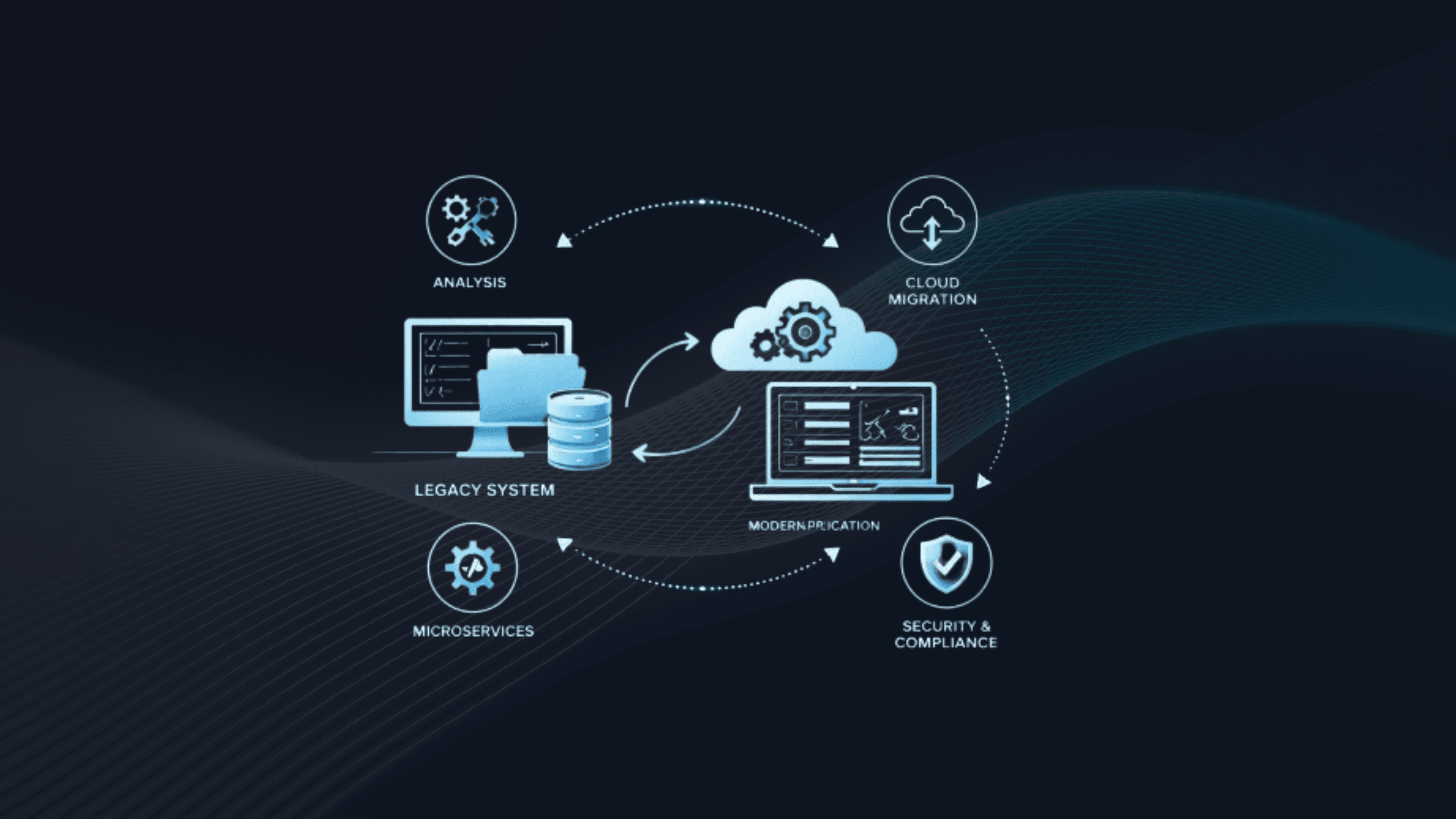
Legacy applications power some of the critical business operations across all major industries. While some of these systems are decades old, they still maintain the invaluable business operations by retaining the logic, data, and intelligence. However, over time, these systems can switch from an asset to a constraint. With evolving digital technologies, legacy systems have become a component that often struggles to keep pace with the current demands while also contributing to operational risks.
Legacy application modernization exists as the strategic imperative of updating outdated systems, architecture, and infrastructure. Legacy application modernization is a complex process that can go wrong if not implemented properly. Projects can often fail due to factors such as technology limitations, poor planning, wrong assumptions, or avoidable mistakes made early in the journey. To help you fulfill the process with complete success, we have compiled this guide to give you an overview of the common mistakes to avoid during legacy software modernization.
Modernising Without a Clear Business Objective
One of the most common mistakes that most organizations and businesses make is treating legacy modernization as a purely technical upgrade. Organizations often rush into the rewriting or migration process without clearly establishing the reasons for the required modernization.
Without clear business plans, teams end up investing time and resources into changes that may not deliver the right results. This is why Modernization should always align with core or important business goals. This can include improving customer experience, facilitating faster go-to-market, reducing maintenance costs, or supporting scalability.
You can avoid this issue by identifying business challenges and current as well as future-oriented requirements. Make sure that you define all the planned requirements early on for comprehensive success. We recommended factors such as reduced downtime, faster performance, improved security, and better integration capabilities.
Choosing the Wrong Modernisation Approach
It is important to acknowledge that legacy modernization is not one-size-fits-all. While some applications may benefit from re-hosting or re-platforming, others may require refactoring, re-architecting, or complete replacement.
Many organizations today make the mistake of implementing modernization based on trends or assumptions rather than relying on R&D and business requirements. Choosing the wrong strategy can lead to unnecessary complexity, increased costs, and poor ROI.
This can be prevented by conducting a thorough assessment of the legacy application. Before selecting a modernization strategy, it is crucial to assess the application complexity, data dependencies, scalability needs, and long-term business relevance.
Underestimating System Complexity and Dependencies
Legacy applications often exist with hidden dependencies, undocumented workflows, and other complexities. It has been observed that underestimating such existing complexities is a major reason modernization projects derail midway.
Failing to identify such integrations within the legacy application with third-party systems, databases, or internal tools can cause disruptions during migration and lead to unexpected downtime.
By performing detailed system audits and dependency mapping, you can identify such system dependencies and complexities. Make sure that you involve experienced architects who understand legacy environments and can anticipate potential challenges early in the process.
Ignoring Data Migration Challenges
Data is the most critical component in any legacy application. Many organizations focus heavily on the application code and overlook the complexities involved in data migration. Inconsistent data formats, data duplication, poor data quality, and security risks can substantially impact the modernization process.
Work on creating a dedicated data migration strategy for the legacy application. Clean, validate, and standardize data before migration. It is important that you maintain compliance with industry regulations and data protection standards throughout the process.
Lack of Stakeholder and User Involvement
Across most organizations, legacy applications are often deeply embedded in daily business operations. Modernizing the applications without considering end users, business leaders, and operational teams can result in solutions that do not meet real-world needs. Moreover, such changes can lead to resistance, low adoption rates, and productivity loss after deployment.
Engage with stakeholders early and continuously to learn about the processes. Collect user feedback during planning, development, and testing phases. This can contribute to a modernized application that meets real-world workflows.
Overlooking Security and Compliance Requirements
The legacy applications can often exist with security gaps. Modernization can unintentionally introduce new vulnerabilities if such security issues are not prioritized from the start. Many organizations tend to treat security as a secondary concern. They only address it after the application is modernized, which further increases risk.
Adopt a security-centric legacy application modernization approach. Integrate modern security standards, access controls, encryption, and compliance requirements during every phase of the modernization lifecycle.
Inadequate Testing and Quality Assurance
Organizations often make the simple yet common mistake of rushing through testing, particularly when project timelines are limited. However, insufficient testing can lead to performance issues, functional gaps, and system instability after deployment. This is why rigorous testing is non-negotiable when it comes to legacy application modernization, as it impacts critical business processes.
Implementing thorough and complete testing strategies can help in this process. This includes functional testing, performance testing, integration testing, and user acceptance testing. Automated testing can also be helpful in terms of consistency and faster validation.
Poor Change Management and Training
Even the most well-built modern application can struggle if the people using it aren’t prepared for the change. Organizations often overlook and underestimate the importance of training and change management, assuming users will adapt automatically. However, this can cause confusion, reduced productivity, and dissatisfaction among even the most frequent users.
Plan structured change management initiatives. We recommend offering proper training, documentation, and support. This can help the users transition smoothly to the modernized system.
Neglecting Future Scalability
Some modernization projects focus only on solving immediate problems without considering future growth. However, this short-term solution can result in systems that quickly become outdated again.
Plan and design the legacy application modernization process with scalability and flexibility in mind. Cloud-native architectures, microservices, and modular designs can help with long-term adaptability and future readiness.
Attempting Modernisation Without the Right Expertise
The true success in legacy application modernization mandates a partner who has extensive domain knowledge, technical expertise, and strategic planning. Organizations that attempt to manage it internally without sufficient experience often struggle to navigate its complexity and may fail altogether.
Partnering with experienced digital transformation and software modernization experts who understand both legacy systems and modern architectures can substantially speed up the entire process and increase the success of the legacy application modernization process.
Legacy Application Modernization with Cubet
Choosing the right partner for legacy modernization can make a substantial difference in how well your organization's operations adapt, innovate, and grow. The right expertise can help you manage evolving technologies and user expectations with the right modernization strategies. The right partnership can help you reduce the risks, improve efficiency, and guarantee the long-term value.
Cubet offers our end-to-end software development and modernization services for businesses across the USA, UK, and India. As the top digital solutions and consulting company, you can rely on us for professional, reliable, and scalable expertise to innovate confidently and grow sustainably in your industry. With services spanning across all major cities in the USA and a dedicated branch office in Atlanta, USA, we offer you the best through smooth collaboration, responsive support, and regional knowledge.
Contact us today to discuss more about your legacy application modernization requirements with our experts. Let us help you take your next big step in your digital journey!

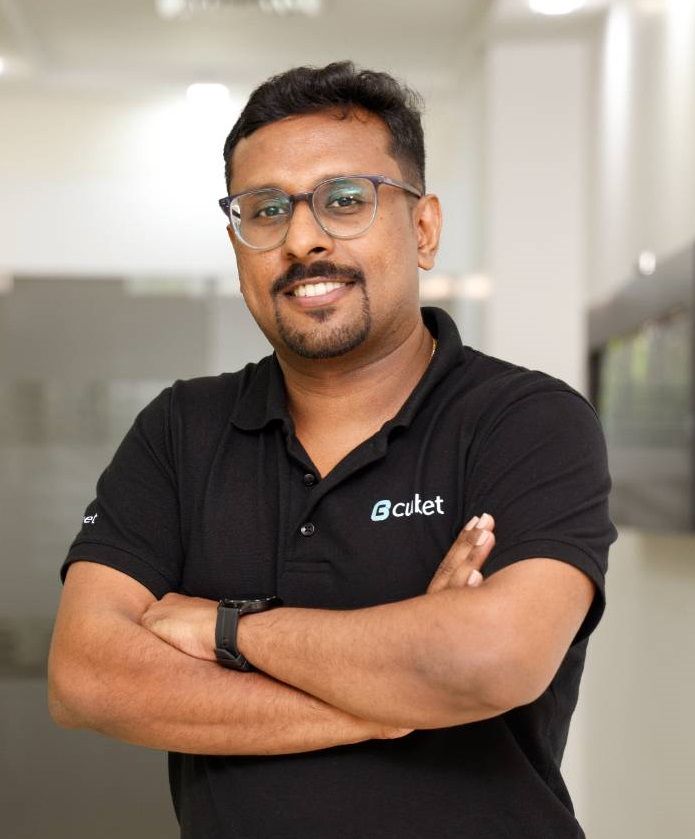
Mathews Abraham
Head of Key Accounts



Get in touch
Kickstart your project
with a free discovery session
Describe your idea, we explore, advise, and provide a detailed plan.