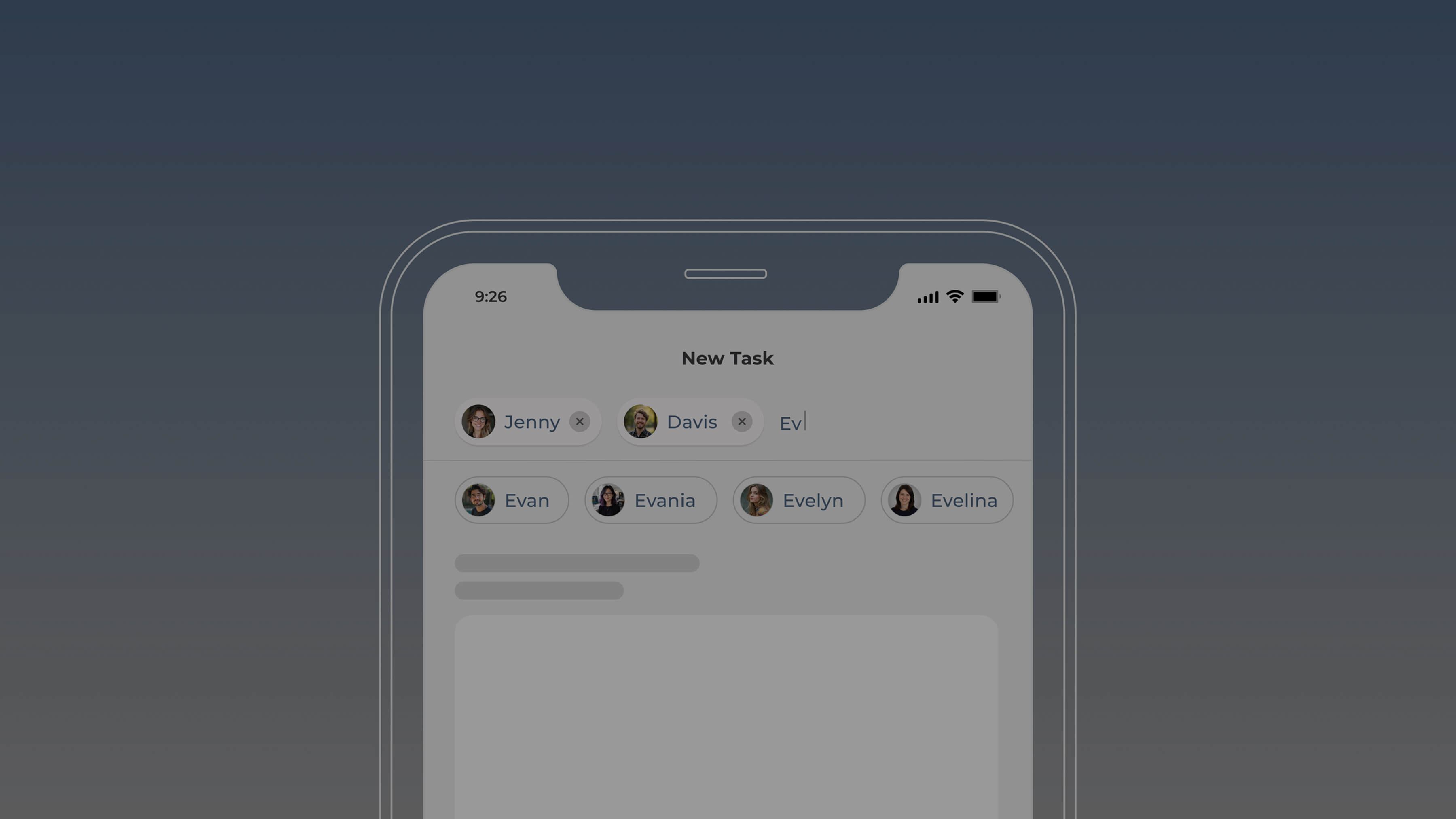
Ticket creation rose across every user role on the platform, not because the process changed, but because the system stopped making it unnecessarily hard.
The Client
The company is a European enterprise SaaS provider serving large organisations in regulated industries. Their compliance management platform supports legal, risk, and operational teams through complex, multi-role workflows where audit trail completeness and process accountability are operational requirements.
The platform had been built and refined over many years. Workflow logic was mature. Role structures were well-defined. Governance was, genuinely, the product. By every technical measure, it was a capable system.
Industry: Enterprise SaaS / Compliance Management
Geography: Europe
The Problem Hiding in Plain Sight
The usage metrics looked fine. Active sessions, workflow completions, regular logins. Nothing in the data flagged a serious issue.
But the metrics weren't telling the full story.
The real problem was quieter and more damaging. Users were finding that following the correct process inside the platform simply took more effort than it should. Reaching a particular workflow meant navigating a structure that assumed prior familiarity. Assigning a ticket involved a sequence of manual steps the system already had enough context to handle automatically. Each friction point was small. None felt worth escalating. Together, they added up to a consistent pattern of avoidance.
Tickets went unraised. Issues that warranted formal documentation were resolved through emails and conversations instead. Workflows that lived inside the system were being completed around it.
In most enterprise software, this is a productivity concern. In a compliance platform, it's a material business risk. Every process that bypasses the system is an audit gap. Every informally resolved issue is a potential accountability problem. The platform's governance architecture was solid, but governance only protects what actually passes through the system.
What Changed and How It Works
The platform's architecture, workflow logic, and role structures all stayed in place. The change happened in the layer that connects backend context to what users actually see and interact with.
The system now reads the state of every session continuously. It knows who the user is, what role they hold, where they sit in a workflow, and what the data suggests should happen next. That context is used to surface the right action at the right moment, so users spend less time navigating and less time making decisions the system is already equipped to make for them.
Ticket assignment illustrates this concretely. Previously, a user had to initiate, categorise, and route a ticket manually, a short but deliberate process with several decision points. Now the system reads the context, proposes the assignment, and the user confirms. Most of the manual construction disappears. The task goes from something users built to something they approve.
There's no new interface. No assistant panel or guided overlay. The experience is simply that certain tasks that previously required effort no longer do, and the steps that slowed users down have been absorbed by the system itself.
What Improved and Why It Matters
The most significant outcome wasn't something anyone had explicitly targeted.
Users started raising more tickets.
Not because of a new policy. Not after a training initiative. Not following any change to compliance expectations. It happened because the friction that had been quietly discouraging the behaviour was gone. The same task that users had been avoiding now took a single confirmation. So they did it, consistently, across every role on the platform.
The business impact of that shift is direct. More tickets raised means more processes formally documented. More processes documented means more complete audit trails. More complete audit trails means a stronger compliance posture, not just for the company running the platform, but for every regulated client organisation operating within it.
Users described the change not in terms of speed, but in terms of how the system felt to work with. The word that came up repeatedly was automatic, not that decisions had been taken away from them, but that the system had stopped asking them to supply effort it could handle itself. That's a meaningful difference in daily experience, and it translates directly into whether people follow the right process or work around it.
A System That Keeps Improving
Most enterprise software is at its best on launch day. Capability is fixed at deployment and only improves when someone schedules an update.
This system works differently. It learns continuously from real usage, building a clearer picture over time of how each role actually operates, which paths users take, and where friction persists. Guidance that was directionally accurate in the first month becomes more precise by month three. Patterns that weren't visible at launch emerge as the system accumulates real context.
For product and operations leaders, that changes the value calculation. The improvement at go-live is the starting point, not the full return. The system gets more useful the longer it runs, without requiring a development cycle to get there.
What This Means for Similar Platforms
Most mature enterprise platforms share a version of the same underlying problem. Years of workflow logic, role configuration, and operational history have accumulated in the backend, but very little of that intelligence reaches users at the moment they need to act. The system knows a great deal. Users are still expected to figure out the next step on their own.
That gap is where process adherence quietly breaks down. Not because users don't understand why processes matter, but because following them costs more effort than it should. When the gap closes and the system applies what it already knows to make the correct action the easiest one, behaviour changes without anyone mandating it.
That's the distinction worth holding onto. Enforcement produces minimum viable compliance. Removing friction produces people actually doing the right thing. For platforms operating in regulated environments, those two outcomes are not the same.

Get in touch
Kickstart your project
with a free discovery session
Describe your idea, we explore, advise, and provide a detailed plan.