Project Overview
This case study describes how AI was integrated across both backend orchestration and the user experience layer to address a growing disconnect in enterprise platforms. As systems scale, they accumulate workflows, rules, roles, and integrations, while usability often lags behind. Users are left navigating static menus and dense dashboards to complete increasingly complex work.
The objective of this initiative was to embed AI directly into how the system thinks and how users are guided through it. Rather than positioning AI as a background utility or a surface-level assistant, it was integrated into system behaviour and interaction flows. The result is enterprise software that feels simpler and faster without reducing capability, control, or governance.
Industry
The capability was implemented within large enterprise platforms supporting multiple user roles with overlapping responsibilities. These environments are characterised by complex workflows, role-driven permissions, and operational processes that span multiple modules and systems.
Challenges Addressed
Most enterprise applications suffer from a structural disconnect between backend intelligence and frontend interaction. While backend systems contain rich logic, automation, and orchestration, user interfaces remain static and navigation-heavy.
As a result, users are required to interpret what to do next, rely on experience rather than guidance, and navigate workflows manually as complexity increases. Productivity drops as roles and workflows expand, while training and onboarding effort continues to grow.
The challenge was not usability alone, but alignment between system intelligence and human interaction.
Collaboration in Action
Solving this problem required close collaboration between platform architects, product teams, and operational stakeholders. The goal was to ensure that backend decisions, workflow states, and role logic were reflected clearly and consistently in the user experience.
This collaboration helped define how guidance should be generated, when it should appear, and how users should be supported without feeling constrained or controlled by the system.
Technologies Deployed
The capability was implemented as an AI-driven coordination layer connecting backend orchestration and the user interface. This included context-awareness services that combine role, activity, and system state, backend orchestration engines that manage workflow progression, and relevance scoring to determine next-best actions.
Dynamic UI composition is driven by AI signals, while telemetry and feedback loops continuously refine guidance based on real usage. This architecture ensures consistency between what the system knows and what users see across screens, workflows, and roles.
Innovative Features
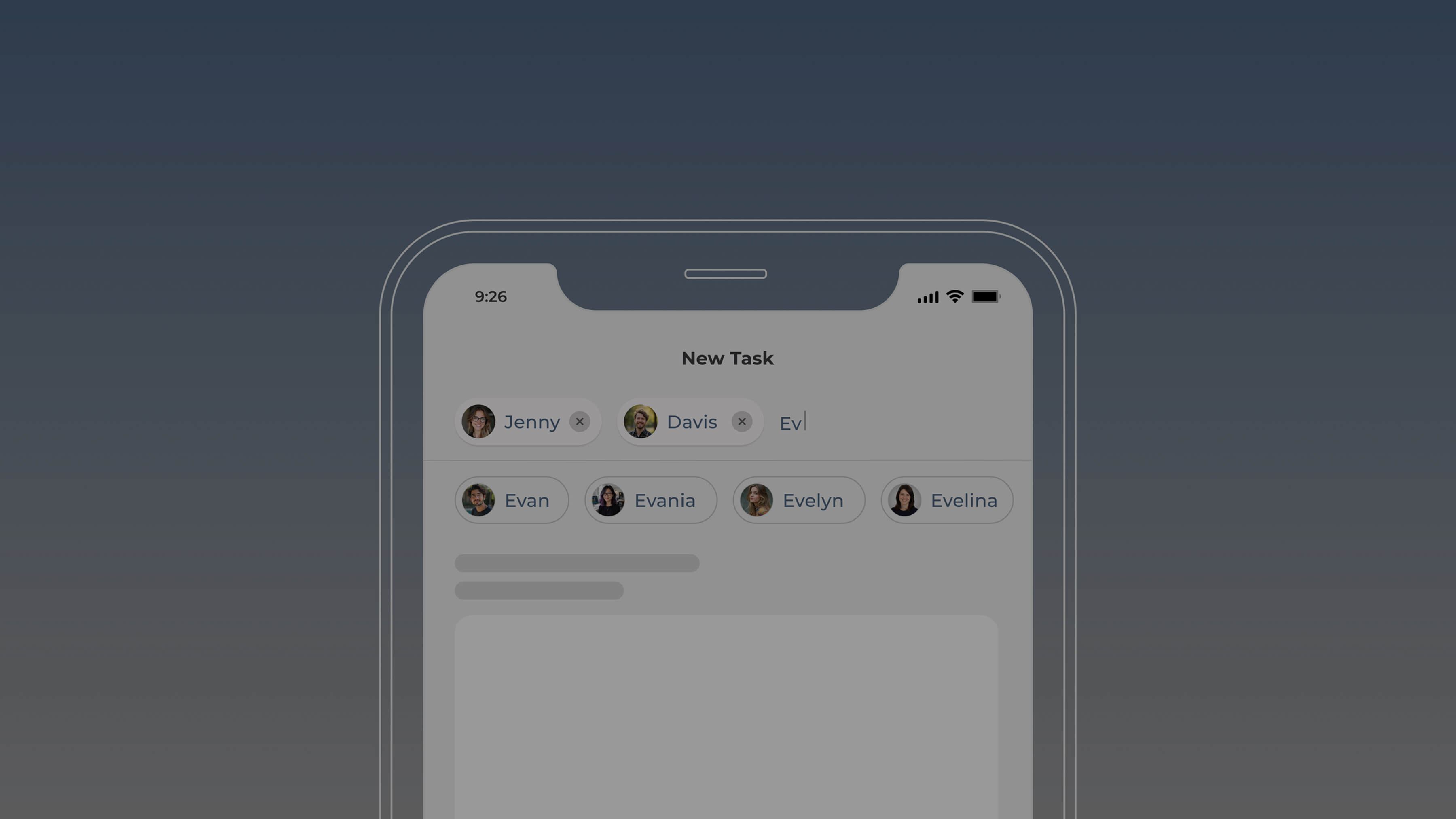
Instead of requiring users to determine next steps manually, the system actively guides them in real time. AI interprets user role, responsibility, workflow stage, and operational context, and translates backend intelligence into actionable UI guidance.
Navigation shortcuts and entry points are generated dynamically rather than hard-coded. As context changes, guidance adapts automatically, ensuring relevance throughout the workflow lifecycle.
Value Delivered
The most immediate impact was reduced friction and faster navigation. Tasks required fewer steps, workflows felt more continuous, and users spent less time orienting themselves within the system.
From an operational perspective, teams experienced improved task completion speed, reduced onboarding and training effort, more consistent workflow execution, and higher adoption across roles. Leadership teams were able to scale the platform without increasing cognitive load on users, resulting in software that felt more intuitive without becoming less powerful.
User Feedback
Users responded positively to the shift from navigation-driven interaction to guided execution. Rather than feeling constrained, they experienced the system as more supportive and easier to work with.
Trust in the guidance increased as actions surfaced consistently aligned with role, context, and workflow state, reinforcing confidence in the system’s behaviour.
Challenges and Learnings
Integrating AI across orchestration and user experience introduced challenges around predictability, explainability, and trust. Users needed confidence that guidance was relevant and consistent, while teams required visibility into why certain actions were surfaced.
Addressing this required careful tuning of relevance logic, clear UI cues, and transparency in how AI-driven guidance was generated. The key learning was that AI-guided systems must remain explainable to earn long-term adoption.
Conclusion
Integrating AI across backend orchestration and the user experience changes how enterprise systems are used. Instead of relying on users to interpret complexity, the system actively guides them toward the right actions at the right time.
This case study demonstrates how AI can improve both system intelligence and usability without compromising scale, control, or governance. Intelligence no longer stops at processing; it extends into interaction.
Have a project concept in mind? Let's collaborate and bring your vision to life!
Connect with us & let’s start the journey
Share this article



Get in touch
Kickstart your project
with a free discovery session
Describe your idea, we explore, advise, and provide a detailed plan.